
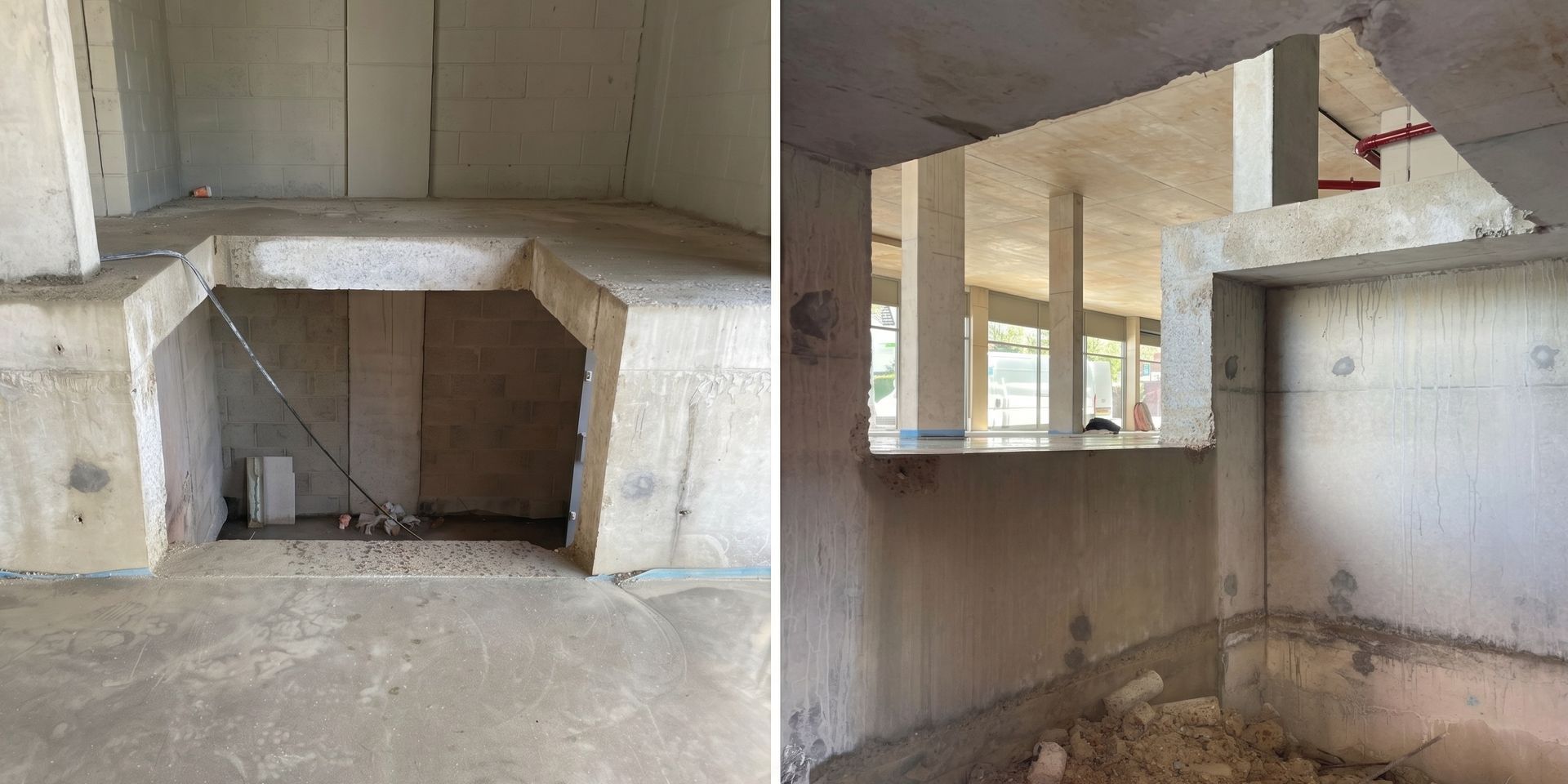
When a major retailer like Tesco Metro prepares to open a new store, seamless logistics and efficient stock movement are paramount. At the new Tesco Metro unit on Chigwell High Road, the store’s layout required a critical structural modification: creating a precise opening within a raised section of heavily reinforced concrete to house a new scissor goods lift. Here is how our team combined precision diamond drilling, track sawing, and robotic demolition to deliver the perfect opening on time and to specification. The Challenge: Thick, Reinforced Concrete in Tight Quarters The project required a large, rectangular opening to be formed out of an elevated, solid concrete plinth. Because the structure was deeply embedded with high-density steel rebar, traditional sledgehammers or standard jackhammers would have been highly inefficient, incredibly noisy, and structurally risky. Furthermore, the opening had to be completely plumb and square to allow the new scissor lift to operate smoothly without any friction against the shaft walls. Step 1: Precision Corner Stitch Drilling
This is a subtitle for your new post
Electrical Trade Glossary Cable Penetration An opening drilled through concrete or masonry to allow electrical cabling to pass between floors or rooms, typically created using diamond core drilling for accuracy. Conduit Sleeve A protective sleeve installed within a drilled hole to house electrical conduits, requiring precise diameter drilling to meet code requirements. Riser Shaft A vertical service shaft carrying electrical cables between levels, often requiring multiple clean diamond-drilled penetrations. Fire-Rated Penetration A penetration that must maintain a building’s fire rating, where smooth diamond-drilled holes improve sealing and compliance.

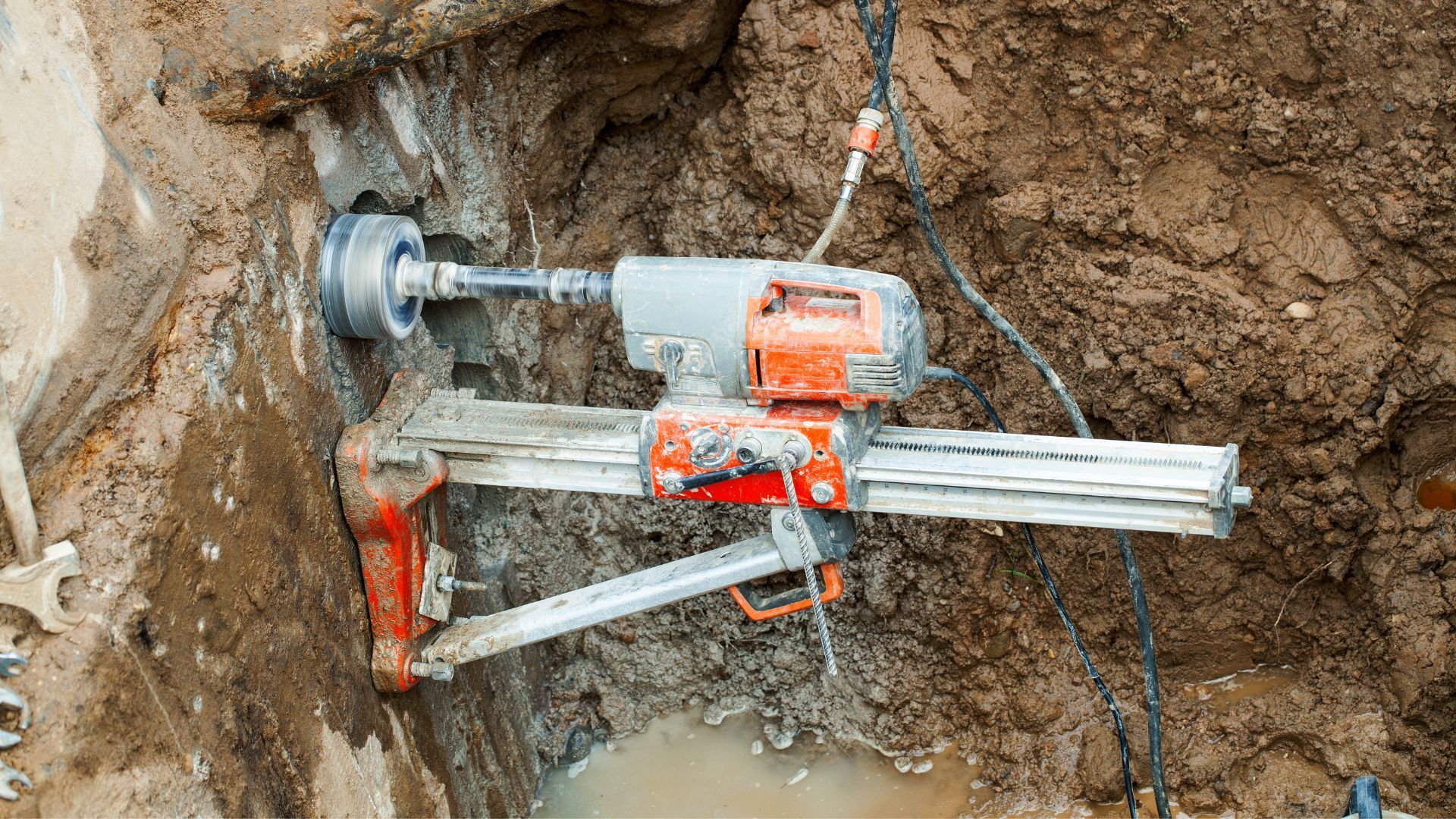
When installing electrical containment and cable routes , precision and cleanliness are key. Each hole or penetration must align perfectly with trunking, conduits, or risers (often through reinforced concrete or blockwork) without creating dust, vibration, or rough edges that complicate the installation. That’s why diamond drilling has become the go-to solution for electrical contractors and containment specialists. Its ability to form accurate, dust-free openings allows for cleaner cable routes, faster installation, and a safer working environment. In this article, we’ll explain how diamond drilling supports electrical containment works, its advantages over traditional drilling methods, and how our team helps contractors achieve clean, professional results across London.
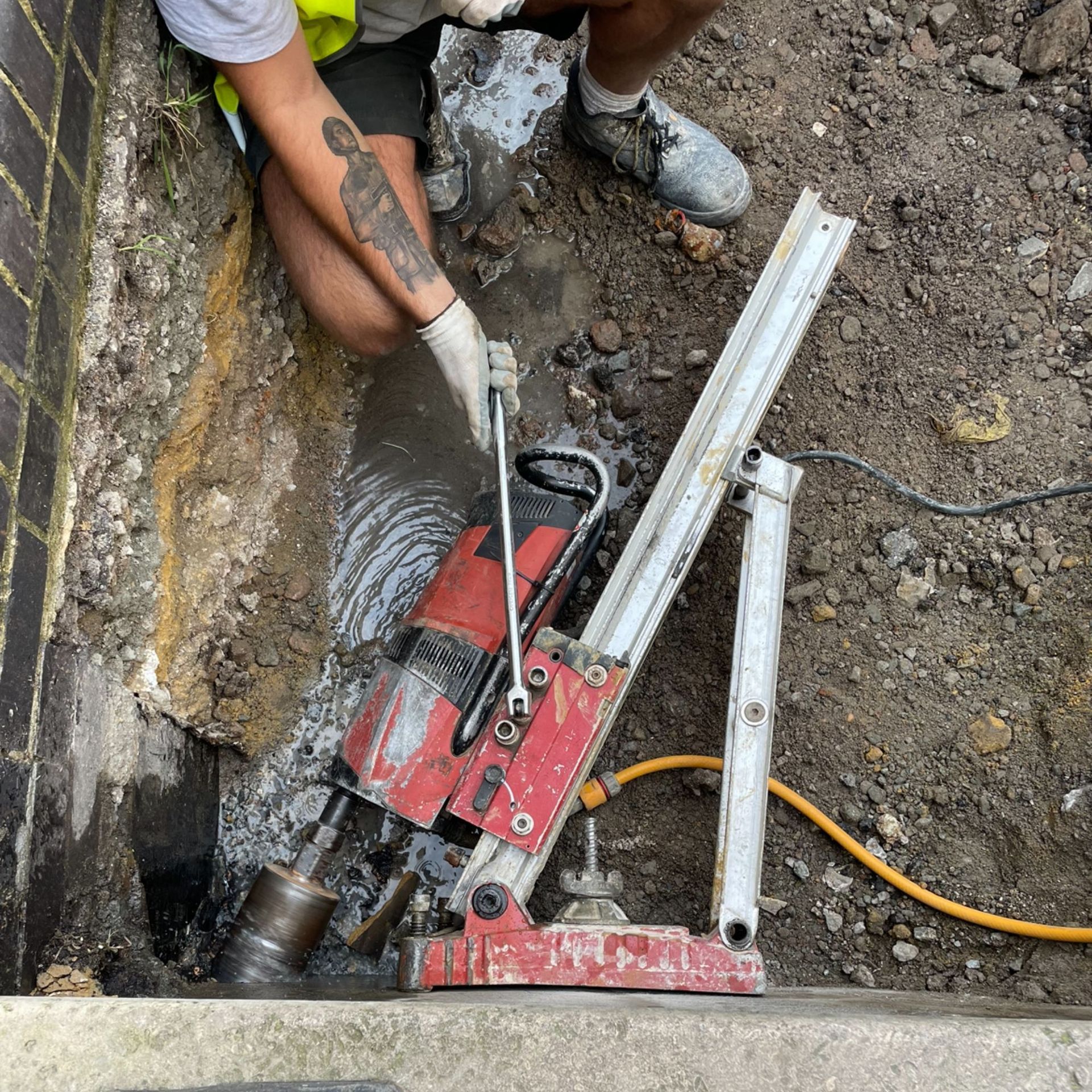
Whether it’s HVAC pipework, chilled water lines, or plant room connections, installing new mechanical systems often requires precise penetrations through reinforced concrete, block-work, or steel. Traditional drilling methods can cause vibration, cracking, or dust contamination, which is unacceptable in modern building environments. That’s why diamond drilling has become the industry standard for creating clean, accurate openings for mechanical service installations. This article explores how diamond drilling supports mechanical works, the advantages it offers over conventional drilling, and how PCDD helps contractors deliver safe, high-quality installations across London.
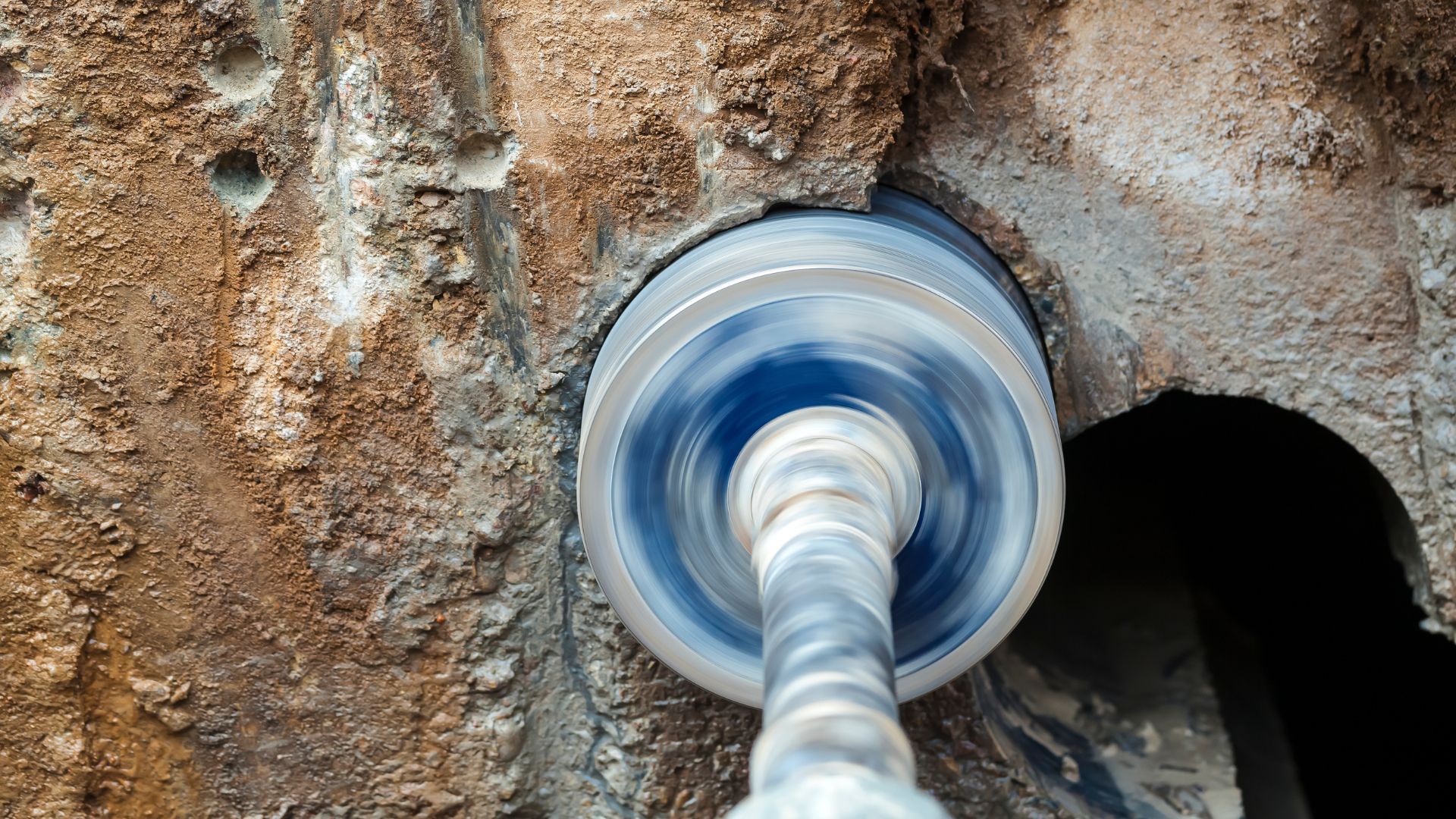
M&E service routes and containment routes are often enabled by making penetrations in walls & floors. Diamond drilling is often the easiest way.
Diamond drilling, fire stopping and preparing openings with fire stopping in mind. Fire stopping is the critical part of fire safety. Prime Cut.
Modern M&E (Mechanical & Electrical) projects often take place in complex, occupied, or high-specification buildings where maintaining structure and live services is critical. Creating openings for containment, pipework, or ducting can easily disrupt existing systems if not done precisely. That’s where diamond drilling stands apart. Its controlled, low-impact technique allows contractors to carry out essential penetrations safely, protecting both the building structure and surrounding utilities. In this article, we’ll explore how diamond drilling minimises structural and service disruption during M&E works, why it’s preferred over traditional methods, and how PCDD helps contractors achieve seamless results across London.
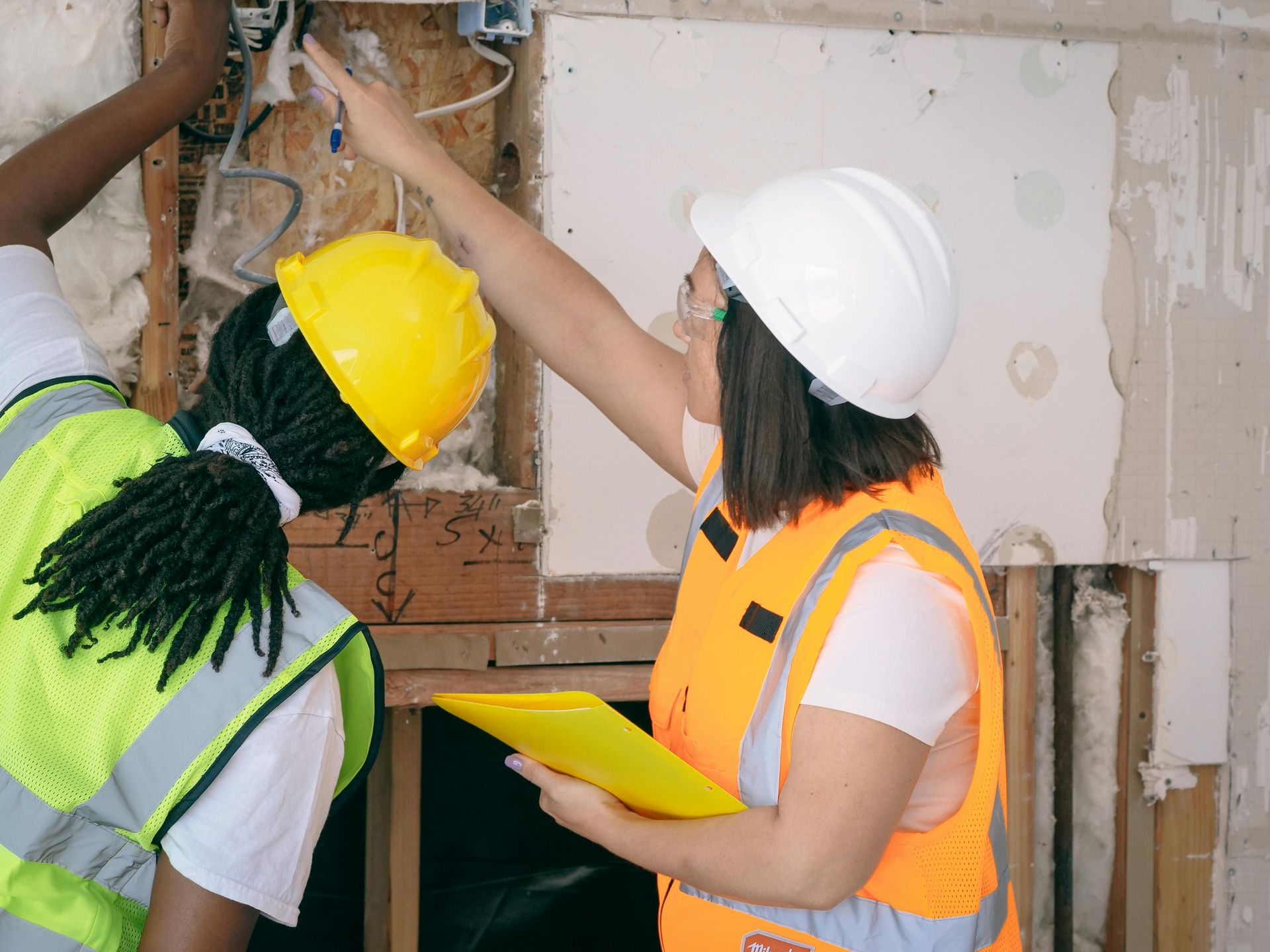
Working around reinforced and embedded services, drilling and creating openings in these environments, how and what to do in those circumstances.

How diamond drilling supports M&E contractors / installations in live buildings. Service routes, plumbing, electrical, ductwork, cabling and more. Prime Cut Diamond Drilling.
