How Diamond Drilling Enables Efficient M&E Containment Runs

When planning M&E containment runs  for cabling, pipework, or ducting, precision is everything. Creating accurate service routes through reinforced concrete and structural elements is one of the most time-consuming tasks in building services installation. That’s where diamond drilling provides a clear advantage. Its ability to produce precise, clean openings with minimal disruption makes it the preferred choice for mechanical and electrical contractors working on both new-build and live building projects.


In this article, we’ll explore how diamond drilling enables efficient M&E containment runs, reduces on-site delays, and supports faster, cleaner, and safer installations.


What Are M&E Containment Runs?


In modern construction, containment runs are the pre-planned routes that carry electrical, mechanical, and communication systems throughout a building.


They may include:

  • Electrical conduits and trunking
  • Cable trays and basket runs
  • HVAC ducting and ventilation shafts
  • Plumbing and fire protection pipework


Each route must be carefully coordinated to avoid clashes with structural reinforcement and other building elements.
Creating these service paths efficiently requires 
accurate drilling techniques that maintain structural integrity and avoid costly rework.


Why Diamond Drilling Is Ideal for Service Route Creation


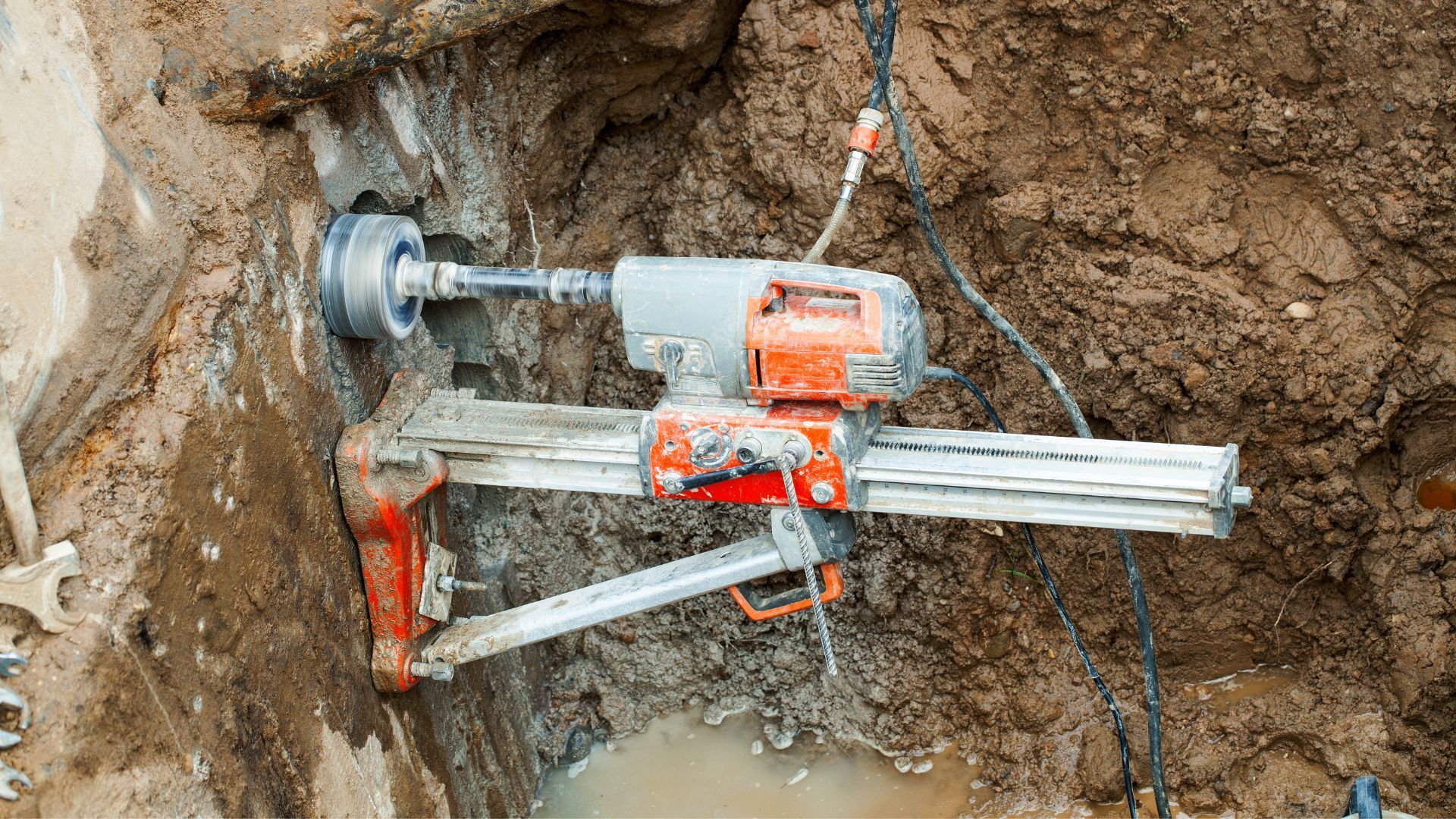
Diamond drilling offers unmatched precision, control, and flexibility for forming penetrations along M&E containment routes.


Key advantages include:

  • Accuracy: Drills perfectly aligned openings for conduits, trays, and risers.
  • Low vibration: Prevents cracking or damage to surrounding concrete and finishes.
  • Minimal noise and dust: Keeps worksites clean and operational, even in occupied buildings.
  • Versatility: Suitable for horizontal, vertical, or angled drilling.
  • Speed: Faster and cleaner than percussion or hammer drilling methods.


For M&E contractors, these benefits translate to shorter installation timesfewer errors, and greater safety compliance.


How Diamond Drilling Supports Efficient

M&E Containment Runs


Precision Openings for Conduits and Cable Routes


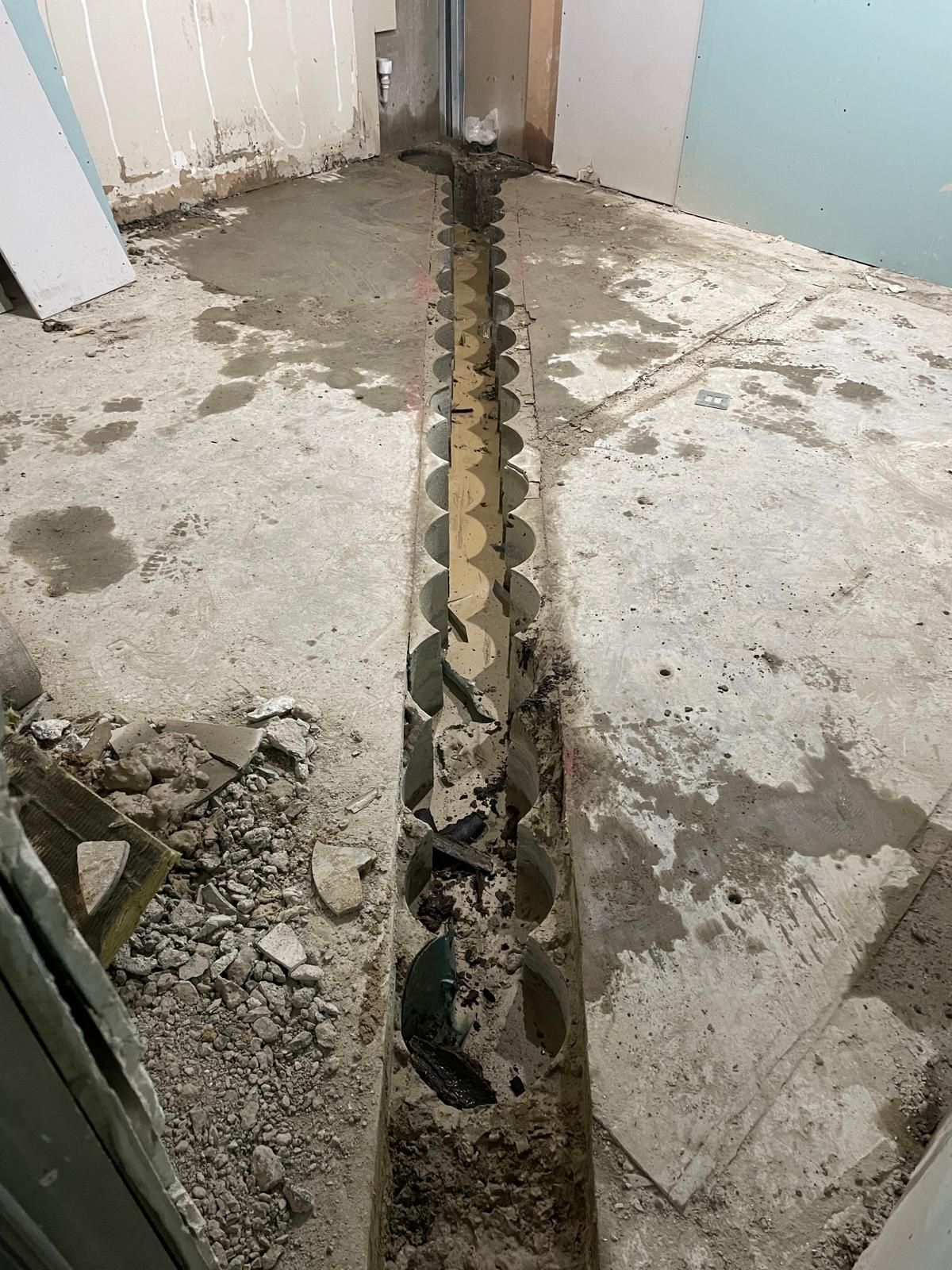
Diamond drilling is used to create perfectly sized holes that align with containment layouts and cable trays. This ensures straight, consistent routing through structural elements, which is critical for large installations across multiple floors.

Controlled Drilling Through Reinforced Concrete


Because diamond-tipped cores can safely cut through reinforcement, contractors can maintain containment runs without redirecting routes unnecessarily, saving time and material costs.

Creating Riser and Core Holes


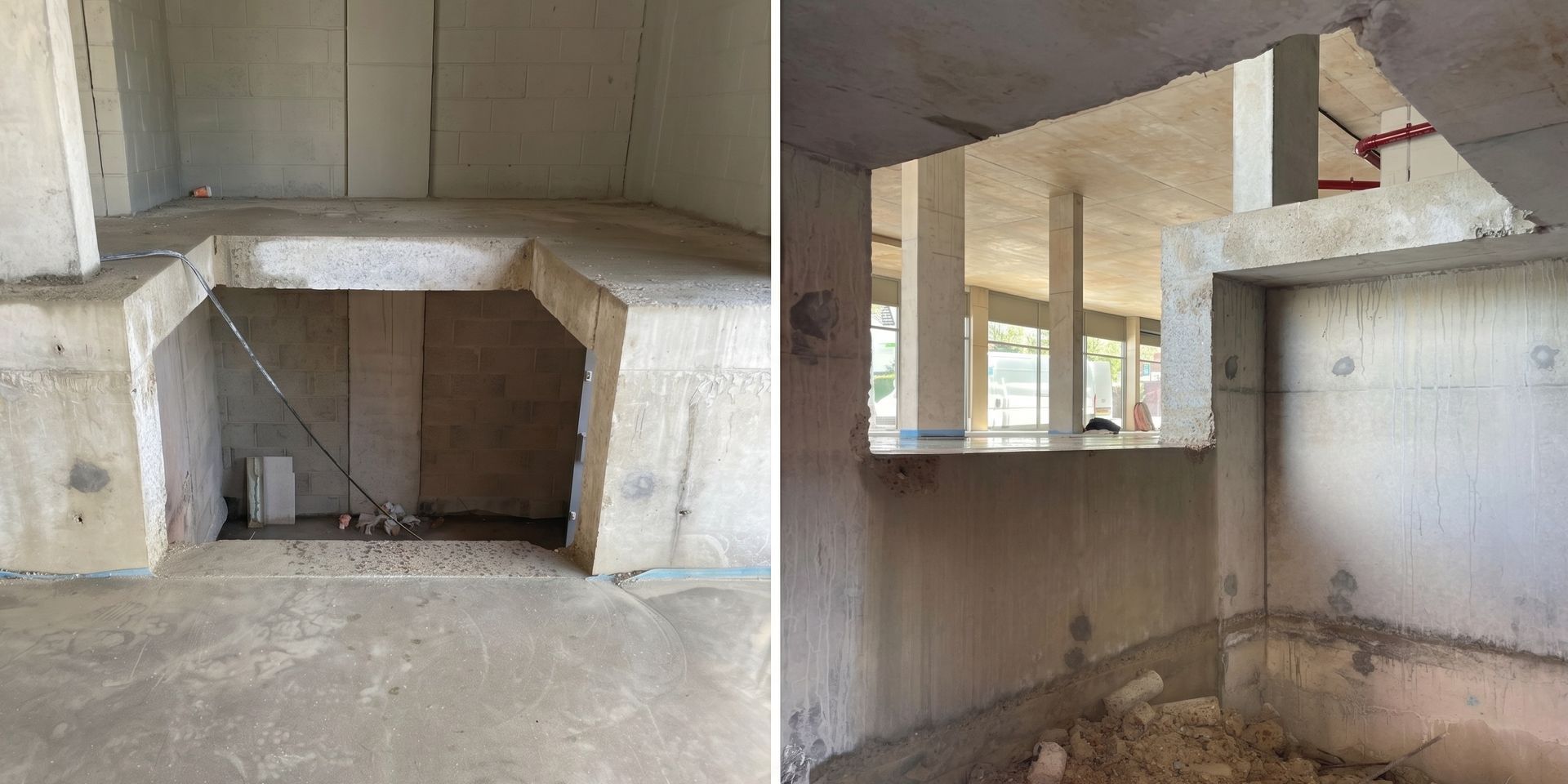
Large-diameter diamond cores are ideal for vertical risers, allowing electrical and mechanical systems to pass between levels. These openings can be drilled to exact dimensions, providing smooth containment paths without chipping or overbreak.

Working in Live Buildings


In occupied environments, diamond drilling’s low-noise, low-vibration operation allows teams to form new service routes without disrupting daily operations. This is particularly beneficial in offices, hospitals, and residential refurbishments where maintaining normal use is essential.

Health, Safety & Compliance


All diamond drilling operations for service route creation should comply with strict site and regulatory standards, including:

  • CSCS and SSSTS certification for operatives
  • RAMS (Risk Assessments & Method Statements) specific to M&E works
  • Dust and water control under HSE and COSHH guidance
  • Adherence to BS EN 206 for concrete works and structural integrity


At PCDD, every project is carried out with full consideration of safety, environmental protection, and site coordination.

Best Practices for M&E Contractors


To maximise the efficiency of containment installations using diamond drilling, contractors should follow several key practices:


Plan containment routes early


Coordinate drilling locations with structural drawings and other services

Apply correct feed pressure and water cooling


Ensures smooth cuts and prevents overheating.

Use GPR scanning


Identify reinforcement and embedded services before drilling.

Implement dust and water control


Use vacuum systems or suppression for clean, compliant working conditions.


Maintain clear communication


Coordinate with main contractors to avoid clashes or duplicate penetrations.

Following these practices keeps M&E works on programme, compliant with safety standards, and free from unnecessary rework.

Case Study Example


During a commercial office fit-out in central London, PCDD was engaged to create a series of core holes to establish new containment routes for electrical and HVAC services.


Using 
diamond drilling rigs, the team formed precise openings for risers and conduit penetrations across multiple floors, completing the work with zero disruption to adjacent tenants and no structural damage. This approach allowed M&E contractors to install containment swiftly, maintaining the tight project timeline.

  • Can diamond drilling be used for both small and large containment routes?

    Yes, from 10 mm holes for conduits to 1,000 mm cores for major risers or ducting.

  • Does diamond drilling damage reinforcement?

    No. It can safely cut through rebar without weakening the structure when performed correctly.

  • Is diamond drilling suitable for occupied buildings?

    Absolutely. Its quiet and vibration-free process makes it ideal for live environments.

  • Can drilling be done overhead or at angles?

    Yes. Diamond drilling rigs can operate vertically, horizontally, or at any required angle.


Diamond drilling is an essential tool for creating efficient M&E containment runs, ensuring precision, safety, and minimal disruption on any project. By combining advanced drilling techniques with expert planning and site coordination, PCDD helps M&E contractors form accurate service routes through concrete and structural elements safely and on time.

By Daniel Le+Gresley November 28, 2025
When installing electrical containment and cable routes , precision and cleanliness are key. Each hole or penetration must align perfectly with trunking, conduits, or risers (often through reinforced concrete or blockwork) without creating dust, vibration, or rough edges that complicate the installation. That’s why diamond drilling has become the go-to solution for electrical contractors and containment specialists. Its ability to form accurate, dust-free openings allows for cleaner cable routes, faster installation, and a safer working environment. In this article, we’ll explain how diamond drilling supports electrical containment works, its advantages over traditional drilling methods, and how our team helps contractors achieve clean, professional results across London.
By Daniel Le+Gresley November 26, 2025
Whether it’s HVAC pipework, chilled water lines, or plant room connections, installing new mechanical systems often requires precise penetrations through reinforced concrete, block-work, or steel. Traditional drilling methods can cause vibration, cracking, or dust contamination, which is unacceptable in modern building environments. That’s why diamond drilling has become the industry standard for creating clean, accurate openings for mechanical service installations. This article explores how diamond drilling supports mechanical works, the advantages it offers over conventional drilling, and how PCDD helps contractors deliver safe, high-quality installations across London. 
By Daniel Le+Gresley November 19, 2025
Diamond drilling, fire stopping and preparing openings with fire stopping in mind. Fire stopping is the critical part of fire safety. Prime Cut.
By Daniel Le+Gresley November 19, 2025
Modern M&E (Mechanical & Electrical) projects often take place in complex, occupied, or high-specification buildings where maintaining structure and live services is critical. Creating openings for containment, pipework, or ducting can easily disrupt existing systems if not done precisely. That’s where diamond drilling stands apart. Its controlled, low-impact technique allows contractors to carry out essential penetrations safely, protecting both the building structure and surrounding utilities. In this article, we’ll explore how diamond drilling minimises structural and service disruption during M&E works, why it’s preferred over traditional methods, and how PCDD helps contractors achieve seamless results across London.
By Daniel Le+Gresley November 18, 2025
Working around reinforced and embedded services, drilling and creating openings in these environments, how and what to do in those circumstances.

By Daniel Le+Gresley November 14, 2025
How diamond drilling supports M&E contractors / installations in live buildings. Service routes, plumbing, electrical, ductwork, cabling and more. Prime Cut Diamond Drilling.

By David Williams November 14, 2025
Diamond Drilling and Core Drilling. Information and terminology check for construction professionals, project managers etc. Prime Cut Diamond Drilling.
October 23, 2025
What Is Floor Sawing and How Is It Used in Construction? Prime Cut Diamond Drilling.
July 8, 2025
Drilling fire-rated walls or floors? Understand how BS 476 applies to ducts, cables, and penetrations—and what Prime Cut’s role covers on-site.
BS EN 1366
July 8, 2025
Drilling through fire compartments? Learn how BS EN 1366 applies to ducts, pipes, and cables—and what Prime Cut handles in fire-compartment work.
Show More